
The Modern Marketer Needs a Data-First DAM Solution
Credits: Published by our strategic partner Tenovos.
In an era of increasing personalization, the key to successful marketing campaigns is effective storytelling that reaches the right audience with the right message at the right moment. If this chemistry between audience, content, and timing is the key to success, creative and marketing professionals have to rely on next-generation asset management technology that can guide them toward the right combinations by replacing guesswork with data, and surrounding content with context.
Traditionally, Digital Asset Management platforms (DAMs) have focused on assisting teams to manage their digital assets and move them from inside the organization to external partners and platforms. The premise is simple: a central repository where brands can store their assets alongside relevant metadata to make everything easy to find — photos and videos, logos and tear sheets, and any other brand collateral that needs to be used and reused.
At its most basic level, a good DAM solution enables marketers to do their jobs more efficiently. More modern DAMs employ AI and machine learning to automatically add relevant tags to assets, so teams can spend less time on tedious tasks like tagging or finding assets and more time on the creative and analytical areas of their jobs. The most advanced DAM platforms, however, go beyond managing and moving assets, to actually measuring their performance in their context of use.
Building a DAM for the Modern Enterprise
Over the past 20 years, the pace of change in technology has exploded, while the DAM category has lagged behind in innovation. Brands have come to expect an exceptional, personalized user experience complete with smart insights from their marketing platforms, and DAM should be no exception. As marketing becomes increasingly fast-paced and data-driven, it’s time for a completely new and different DAM experience — one that can meet the demands of an increasingly tech-savvy industry and understands its pain points.
The first and most important question that a DAM provider should ask is, ‘how does my solution help marketers do their jobs more effectively?’ That is, after all, the central goal of a DAM system: to make it easier and more efficient for creators and marketers to collaborate to design and execute successful campaigns. In other words, if finding an asset within the DAM system and searching through emails to find it take approximately the same amount of time, the system is not making teams more efficient — it’s simply adding a layer of complexity to their martech stack.
Creating a Seamless User Experience
Not all DAM platforms are created equal. One common issue that many enterprises face is the inability to seamlessly integrate their DAM platform with the rest of their marketing ecosystem, which can essentially negate the efficiencies gained by using an asset management solution in the first place. Considering that the code base of many solutions currently on the market is over a decade old (older, in some cases), this is a problem that will only get worse over time as marketers look to incorporate new tools and technologies into their workflows. Consequently, it’s important to find and implement a solution that leverages the use of modern technologies — such as AI/ML, micro-services, graph databases, and serverless environments — that will be able to maintain its speed and flexibility in the years to come.
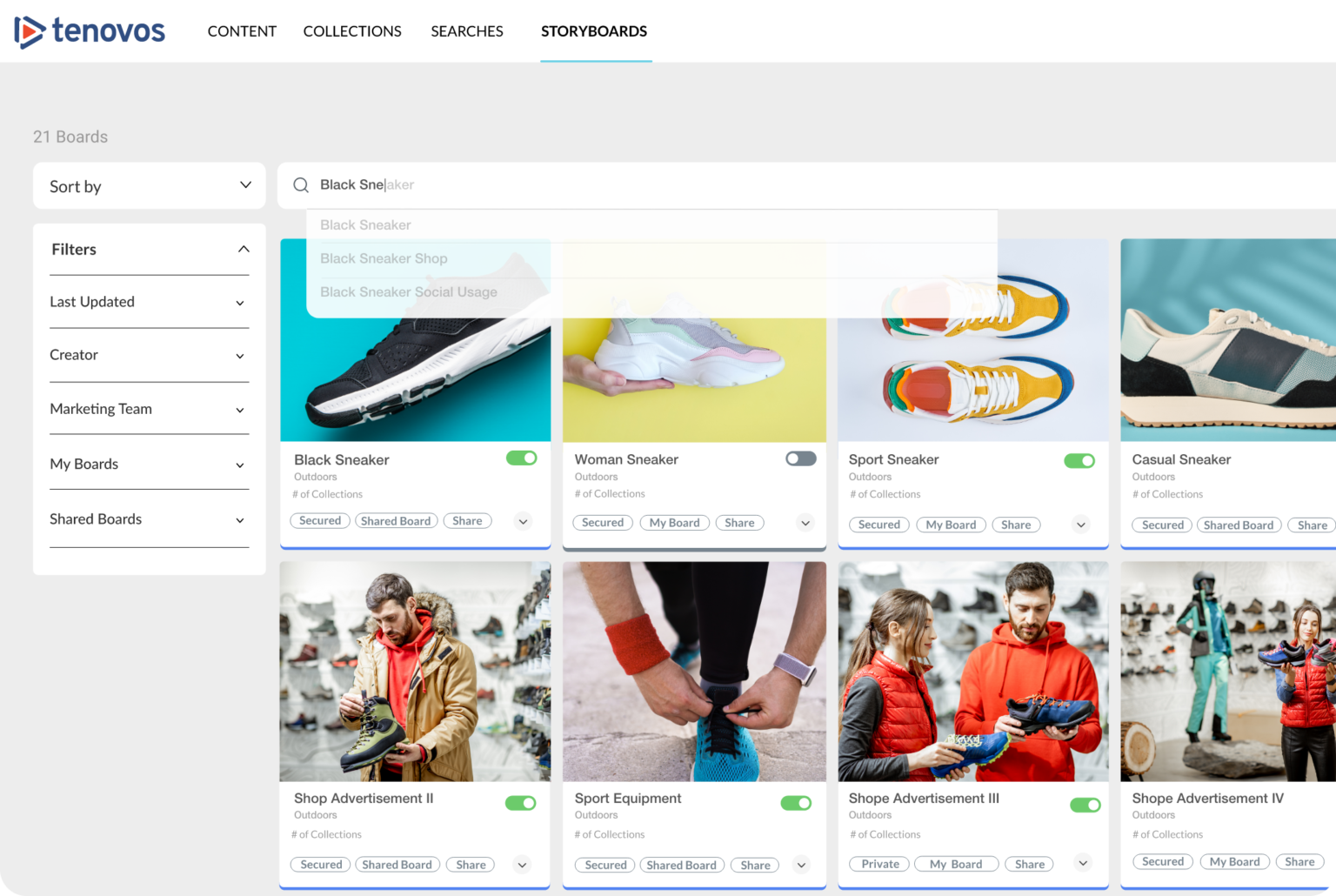
An organization’s ability to collaborate seamlessly with team members across — and outside of — the organization is also a key indicator of the success of a DAM implementation. Marketing doesn’t happen in a single silo; from research to ideation, to creation to deployment, marketing is interconnected and interdisciplinary. A modern DAM platform should connect the enterprise in such a way that it simplifies the creative life cycle and enables marketers to reduce the friction and time required to launch each new campaign.
Data-Driven Marketers Need Data-Driven Technology
The reality is that many of the DAM solutions available on the market currently have not kept pace with the evolving needs of the increasingly data-driven marketing operation; they’re often expensive, difficult to implement, and don’t deliver the user experience marketers and creative professionals have come to expect from their technology. Seen from this angle, it’s not surprising that many organizations are hesitant to invest heavily in a new system that is not capable of demonstrating a return on investment.
Brands need modern DAM platforms that not only enable them to meet the demands of marketing in the digital age, but also help them to demonstrate — and improve — their ROI. Marketers should expect their DAM platform to provide:
- A data-first approach to asset management that allows brands to measure and optimize their processes and their content to provide increasingly personalized experiences
- A seamless user experience that drives adoption and enables teams across the world to collaborate easily
- Performance and optimization capabilities underpinned by artificial intelligence and machine learning
- Continuous improvement and delivery to support the demands of a global omnichannel enterprise
At the end of the day, companies implement a DAM solution in order to optimize their processes and improve their ability to tell the compelling stories that are central to a successful marketing operation. This optimization should come not only in the form of improving the speed of creation, but also the strategy behind a given campaign. A system that has access to all of the contextual data that surrounds your every asset should be able to distill those data into insights that inform the creation of future content.
A modern, data-first DAM should act not only as a content database but also as a source of insight to enable marketers to make smarter creative decisions, which in turn allows them to tell stories that matter to their audience.
Want to know what types of data your DAM should be providing? Reach us at marketing@sifycorp.com
Written by Michael Waldron, CMO, Tenovos


RISE with SAP BTP
Introduction
SAP has unleashed its campaign of ‘RISE with SAP’ and it has been received very well by SAP customers and ERP prospects worldwide. RISE with SAP transitions ERP data (in the form of SAP ECC6.0 on-premise or SAP S/4 HANA on-premise) to the cloud (public or private) with less risk and without compromise. The bundle of ERP software, transformation services, business platform and analytics is quite an attractive offer to SAP customers having hosted SAP on-premise.
This article delves into the business platform and analytics which is clubbed under ‘Business Technology Platform’ (hereafter called as BTP).
SAP BTP is a cloud-based platform-as-a-service (PaaS) offering from SAP, which provides a set of tools and services for developing, integrating, and extending SAP applications and solutions. SAP BTP supports various cloud deployment models, including public, private, and hybrid clouds, and allows developers to build, deploy, and run their applications using SAP’s cloud infrastructure.
Four pillars of SAP BTP – It encompasses various capabilities that are categorized into following four pillars:-
1. Integration
This feature gives everything that is needed for agile business process innovation, extension, and integration in the cloud and in hybrid scenarios. You can easily integrate different systems, extend your current application, or create new solutions for your business needs with ideal user experience using the SAP Fiori interface. SAP Extension Suite provides various services that can be leveraged to build and extend SAP solutions. SAP Integration Suite (formally known as SAP Cloud Platform Integration -CPI Suite) lets you seamlessly integrate SAP and non-SAP solutions, both on-premise and in the cloud. SAP Integration Suite covers not only A2A and b2B integration scenarios but B2G(Business to Government) integration scenarios as well.
Currently, SAP provides over 2000+ pre-packed integration scenarios for different business processors. These out-of-the-box integration scenarios are ready-to-use, require minimum development effort, and cover a range of business process integrations. (Check out https://api.sap.com/ for details).
With the introduction of SAP Integration Suite, SAP PI/PO would be getting phased out in near future.
2. SAP Build
It enables everyone – no matter the skill level – to rapidly create and augment enterprise-grade apps, automate processes and tasks, and design business sites with drag-and-drop simplicity.
SAP Build brings together SAP Build Apps (formerly SAP AppGyver), SAP Build Process Automation (formerly SAP Process Automation), and SAP Build Work Zone (formerly SAP Work Zone) into a unified development experience with new innovations to rapidly build apps, automate processes and create business websites.
Low-code / No-code development – Low-code uses both a traditional programming language-based environment combined with no-code platforms and is used by developers with at least basic technical knowledge.
No-code is simpler, and it fully replaces the traditional programming language-based tooling with a suite of visual development tools (ex. drag-and-drop components) and can be used by technical and non-technical people alike.
3. Data and Analytics
The SAP Data sphere component enables accessing authoritative data, helps harmonizing heterogeneous data and thereby simplifies the data landscape.
The SAP Master Data Governance enables operating on high quality, consistent master data and established a comprehensive master data governance
SAP Analytical cloud – It is a single solution for business intelligence and enterprise planning, augmented with the power of artificial intelligence, machine learning technology, and predictive analytics. It helps everyone in your organization make better decisions and act with confidence.
SAP Analytics Cloud removes silos, empowers business analysts, and unifies a company’s decision-making processes by combining business intelligence, augmented analytics, and enterprise planning into one product. It helps in achieving 360° insights with a single connected analytics platform.
4. Artificial Intelligence
It enables business applications and processes more intelligent with the power of AI on SAP Business Technology Platform. Its pre-trained AI models accelerate infusion of AI into Apps. It helps managing the AI model lifecycle into one central place and ensures AI deployment responsibly with transparency and compliance.
SAP solutions such as SAP Intelligent Robotic Process Automation (SAP Intelligent RPA) and machine learning let you automate the kind of complex, repetitive decisions that make up a significant portion of business processes.
Service Catalog – SAP has come up with a rich repository of readily available 96 services encompassing one or more of the four pillars mentioned earlier. They help in integrating and extending your solutions, optimizing your business processes, and thereby creating an engaging digital experience using SAP Business Technology Platform services. Just to give an idea, some of the services are listed below:
- Automation pilot – Simplify the operational effort behind any cloud solution in the SAP BTP.
- Cloud foundry runtime – It lets you develop polyglot cloud-native applications and run them on the SAP BTP Cloud Foundry environment
- Cloud Integration for data services – To integrate data between on-premise and cloud on a scheduled/batch-mode basis.
- Continuous Integration and Delivery (CI/CD) – It lets you configure and run predefined continuous integration and delivery pipelines that automatically build, test, and deploy your code changes to speed up your development and delivery cycles.
- Identity provisioning – Lets you manage Identity Lifecycle processes for cloud and on-premise systems
- Kyma runtime – Develop and run containerized applications and extensions on Kubernetes. Kyma runtime is a fully managed Kubernetes runtime based on the open-source project “Kyma”. This cloud-native solution allows the developers to extend SAP solutions with serverless functions and combine them with containerized microservices. The offered functionality ensures smooth consumption of SAP and non-SAP applications, running workloads in a highly scalable environment, and building event- and API-based extensions.
- SAP AI core – It enables building a platform for your artificial intelligence solutions. It is designed to handle the execution and operations of your AI assets in a standardized, scalable, and hyper-scaler-agnostic way. It provides seamless integration with your SAP solutions. Any AI function can be easily realized using open-source frameworks. SAP AI Core supports full lifecycle management of AI scenarios.
SAP BTP Deployment – Salient points:
- Regions – You can deploy applications in different regions. Each region represents a geographical location (for example, Europe, US East) where applications, data, or services are hosted. A region is chosen at the subaccount level. For each subaccount, you select exactly one region. The selection of a region is dependent on many factors: for example, application performance (response time, latency) can be optimized by selecting a region close to the user. The global account itself is also running in a region.
- Environments – Environments constitute the actual Platform as a Service offering of SAP BTP that allows for the development and administration of business applications. Environments are anchored in SAP BTP on the subaccount level.
Each environment comes equipped with specific tools, technologies, and runtimes that you need to build applications. So a multi-environment subaccount is your single address to host a variety of applications and offer diverse development options. One advantage of using different environments in one subaccount is that you only need to manage users, authorizations, and entitlements once per subaccount, and thus, grant more flexibility to your developers.
- SAP BTP can have one or more global accounts. Global accounts are associated with license or contract which your company has with SAP BTP. Global account takes care of the license and contract and whatever the activities you perform or how you are billed is managed by global account.
- Global accounts are linked with entitlements which are passed down to subaccounts. Entitlements are the kind of resources provided to you based on the license that you purchased.
- Sub account is the place where you will be creating your PaaS environment(cloud foundry/Kyma).
- SAP BTP Cockpit – The SAP BTP cockpit is the central user interface for administering and managing your SAP BTP accounts as a platform user. To access the SAP BTP cockpit, you need to open a specific URL ‘https://cockpit.<region>.hana.ondemand.com’. You can replace the <region> with the one you are operating in (for example: eu10, us10, ap10) to have a lower response time and latency to the cockpit. After logging in with your user credentials, you might get prompted with a pop-up to choose the global account you want to access. Of course, you are able to switch between the global accounts as and when needed.
- Working with the SAP BTP cockpit is the easiest way to manage and administer your SAP BTP accounts.
Conclusion:
SAP has come up with a lot of helpful resources related to BTP including use cases, case-studies, readily available services, pre-packed integration scenarios, tutorials etc. BTP offers a rich load of tools/services which would enable your organization’s business transformation and expedite your digitization journey. It needs to be fully leveraged when you opt for ‘RISE with SAP’.


The role of data analytics and AI/ML in optimizing data center performance and efficiency
Data centers have emerged as a crucial component of the IT infrastructure of businesses. They handle vast amounts of data generated by various sources, and over the years have transformed into massive and complex entities. Of late, data analytics has emerged as a necessary ally for data center service providers, powered by the growing need to improve parameters like operational efficiency, performance, and sustainability. In this blog, we will discuss the different ways in which data analytics and AI/ML can help enhance data center management and empower data center service providers to deliver better service assurance to end-customers.
How data analytics and AI/ML can help service providers in data center optimization
Today, data center service providers are leveraging data analytics in various ways to optimize data center operations, reduce costs, enhance performance, reliability and sustainability, and improve service quality for customers. They employ a variety of methods to collect data from colocation, on-premise and edge data centers, which include physical RFID/EFC sensors, server, network and storage monitoring tools, security information and event management (SIEM) systems, configuration management databases (CMDBs), API integration, and customer usage data. The data collected is then fed into a centralized monitoring and analytics platform, which uses visualization tools, dashboards, and alert systems to analyze the data and generate insights.
Furthermore, by integrating IoT and AI/ML into data center operations, service providers are gaining deeper insights, automating various processes, and making faster business decisions. One of the most critical requirements today is for analytical tools that can help with predictive assessment and accurate decision-making for desired outcomes. This is achieved by diving deep into factors such as equipment performance, load demand curve, overall system performance, as well as intelligent risk assessment and business continuity planning. Selection of the right tools, firmware, and application layer plays a major role in making such an AI/ML platform successful.
The relationship between analytics and automation from the perspective of data centers is rather symbiotic. Data centers are already automating routine tasks such as data cleaning, data transformation, and data integration, helping data center service providers free up resources for more strategic analytics work, such as predictive modeling, forecasting, and scenario planning. In turn, data analytics provides valuable insights that enable data centers to implement intelligent automation and optimization techniques. This may include workload balancing, dynamic resource allocation, and automated incident response.
Here are some of the key areas where data analytics and automation have a significant impact:
- Enhancing operational reliability: Data analytics, AI/ML and automation can enable data centers to ensure optimal performance. This involves using predictive maintenance, studying equipment lifecycles for maintenance, and incident history analysis to learn from past experiences. In addition, AI/ML-driven vendor performance evaluation and SLA management incorporating MTTR and MTBF further strengthen operations. Leveraging these metrics within the ITIL framework helps data centers gain valuable operational insights and maintain the highest levels of uptime.
- Performance efficiency: Data centers consume a substantial amount of energy to power and maintain desirable operating conditions. To optimize services, track hotspots, prevent hardware failure, and improve overall performance, modern data centers analyze data points such as power usage, temperature, humidity, and airflow related to servers, storage devices, networking equipment, and cooling systems. Prescriptive analytics can take this a step further by providing recommendations to optimize utilization and performance.
- Predictive maintenance: Predictive analytics is a powerful technology that uses data to forecast future performance, identify and analyze risks and mitigate potential issues. By analyzing sensor data and historical trends, data center service providers can anticipate potential hardware failures and perform maintenance before they escalate, with advanced predictive analytics enabling them to improve equipment uptime by up to 20%.
- Capacity planning: Businesses today must be flexible enough to accommodate capacity changes within a matter of hours. Data center service providers also need to understand current usage metrics to plan for future equipment purchases and cater to on-demand requirements. Data analytics helps in optimizing the allocation of resources like storage, compute, and networking while meeting fluctuations in customer needs and improving agility.
- Security and network optimization: Data centers can use analytics to monitor security events and detect vulnerabilities early to enhance their security posture. By analyzing network traffic patterns, data analytics tools help identify unusual activities that may indicate a security threat. They can also monitor network performance, identify bottlenecks, and optimize data routing.
- Customer insights: Data centers collect usage data, such as the number of users, peak usage times, and resource consumption, to better understand customer needs and optimize services accordingly. Analytics helps providers gain insights into customer behavior and needs, enabling them to build targeted solutions that offer better performance and value. For example, through customer-facing report generation, organizations and end-customers can gain valuable insights and optimize their operations. Additionally, analytics accelerates the go-to-market process by providing real-time data visibility, empowering businesses to make informed decisions quickly and stay ahead of the competition.
- Environment sustainability & energy efficiency: Data centers have traditionally consumed significant power, with standalone facilities consuming between 10-25 MW per building capacity. However, modern data center IT parks now boast capacities ranging from 200-400+ MW. This exponential growth has led to adverse environmental impacts, such as increased carbon footprint, depletion of natural resources, and soil erosion. Using AI/ML, performance indicators like CUE (Carbon Utilization Effectiveness), WUE (Water Utilization Effectiveness), and PUE (Power Utilization Effectiveness) are analyzed to assess efficiency and design green strategies, such as adopting renewable energy, implementing zero water discharge plants, achieving carbon neutrality, and using refrigerants with low GHG coefficients. For example, AI/ML modeling can help data centers achieve 8-10% saving on PUE below design PUE – helping to balance environmental impact with an efficiency better than what was originally planned.
- Asset and vendor performance management: The foundation of the AI/ML platform lies in the CMDB, which comprises crucial data, including asset information, parent-child relationships, equipment performance records, maintenance history, lifecycle analysis, performance curves, and end-of-life tracking. These assets are often maintained by OEMs or vendors to ensure reliability and uptime. AI/ML aids in developing availability models that factor in SLA and KPI management. It can provide unmatched visibility into equipment corrections, necessary improvements, and vendor performance. It can also help enhance project models for expansion build-outs and greenfield designs, accurately estimating the cost of POD (point of delivery) design, project construction, and delivery.
- Ordering billing and invoicing: AI/ML plays a vital role in enhancing the efficiency and effectiveness of order, billing, and invoicing processes. Its impact spans various stages, starting from responding to RFPs to reserving space and power, managing capacity, providing early access to ready-for-service solutions, facilitating customer onboarding, and overseeing the entire customer lifecycle. This includes routine processes such as invoicing, revenue collection, order renewal, customer Right of First Refusal (ROFR) management, and exploring expansion options both within and outside the current facility.
Selecting the right data analytics solution
The implementation of data analytics and automation through AI/ML requires careful consideration as several parameters, such as data quality and level of expertise play a crucial role in delivering efficient end-results. To succeed, businesses need to choose user-friendly and intelligent solutions that can integrate well with existing solutions, handle large volumes of data, and evolve as needed.
At Sify – India’s pioneering data center service provider for over 22 years, we continuously innovate, invest in, and integrate new-age technologies like AI/ML in operations to deliver significant and desired outcomes to customers. We are infusing automation led by AI/ML in our state-of-the-art intelligent data centers across India to deliver superior customer experiences, increased efficiency, and informed decision-making, resulting in more self-sustaining and competitive ecosystems. For example, leveraging our AI/ML capabilities has been proven to lead to over 20% improvement in project delivery turnaround time. Our digital data center infrastructure services offer real-time visibility, measurability, predictability, and service support to ensure that our customers experience zero downtime and reduced Capex/Opex.
How do Sify’s AI-enabled data centers impact your business?
- Person-hour savings: Automation of customer billing data and escalations resulting in up to 300 person-hour savings in a month.
- Reduction in failures: Predictive approach for maintenance and daily checks yielding up to 20% reduced MTBF, 10% improved MTTR, and 10% reduction in unplanned/possible downtime.
- Cost savings: Improved power/rack space efficiency and savings on penalties to deliver up to 8% reduction in customer penalties by maintaining SLAs and 10% reduction in operating cost.
- Compliance adherence: Meeting global standards and ensuring operational excellence and business continuity.
To know more about our world-class data centers and how they help enterprises expect positive business outcomes, visit here.


Blue Brain – a tool or a crutch for humanity ?
What if human beings could better their brain, built across millennia through evolution? Gourav looks at the possibility of just such a technology and its implications.
We all think, act, react, ponder, decide, and memorize with the help of our brains. It is a very intriguing, interesting, and exciting part of our human body and contributes drastically to our human ecosystem.
It is also still a mystery as to how our brain, one of the most complex systems found in nature, functions.
Imagine an artificial copy of our human brain that can do the same without our help. If such a machine is created, then the boundaries between a human and a machine would grow thinner bringing to the fore its advantages and disadvantages.
The Brain and Mind Institute of École Polytechnique Fédérale de Lausanne in Switzerland did exactly that when they thought up a project called Blue Brain Project aimed at creating an artificial brain. This project was founded by Henry Markram in 2005.
What is Blue Brain Project?
The Blue Brain Project is bleeding-edge technology research that aims to reverse engineer a typical human brain into a computer simulation. Blue Brain can think, act, respond, make quick decisions, and keep anything and everything in its memory.
It means that a computer can act as a human brain taking artificial intelligence sky high. The simulations are carried out on IBM’s Blue Gene supercomputer, hence the term Blue Brain.
Why do we need this?
Today, we function based on our brain’s capability to respond to different situations. Some people make intelligent decisions and take actions as they have an inborn quality of intelligence. But this intelligence dies when we die. Imagine if such intelligence can be preserved to help the future generation.
A virtual or an artificial brain that can provide the required solution for the stated problem. Our brain tends to forget trivial things that mean more like birthdays, names of people, etc.
Such a brain can help us by storing this information and aiding whenever necessary. Imagine uploading ourselves onto a computer and living inside it.

How can this be made possible?
The information about the brain needs to be uploaded into the supercomputer to perform like a brain. So, retrieval or studying of this information is paramount. This can be made possible by using small robots called nanobots.
These bots can travel between our spine and brain to collect important data. These data contain necessary information such as the structure of the human brain, its current state, etc.
A human brain takes inputs from the sensor throughout the body, and it interprets these inputs to store in the memory or to respond to the desired output.
The artificial brain does a similar job by taking inputs from a sensory chip and it interprets these inputs by associating the input with the value stored in one of its registers which corresponds to different states of the brain.
The Blue Brain Project – Software Development Kit helps the users to utilize the data from the nanobots to visualize and inspect models and simulations. The SDK is a C++ library that is wrapped around Java and Python.
The Einstein Connection

When people think of genius, the list most assuredly includes Albert Einstein. For years, different scientific researchers have been trying to find the mystery behind his genius brain. Imagine if Einstein’s brain could be recreated with the help of the Blue Brain Project. Many intriguing inventions and discoveries could be made. Such intelligence would shape many generations to come.
The Blue Brain Project has many merits such as non-volatile memory that can store anything and everything permanently, and the capability to make intelligent decisions without the presence of a person. This research can help in curing a lot of psychological problems.
If such technology comes to people, they would be dependent on these systems. This can open the door wide open for hack threats which can pose a real danger to people. People might be fearful of using such technology and it can culminate into large resistance.
The Author’s Views
Intelligence is a quality that has always been associated with humans. Now artificially many intelligent systems and tools are available that aim to better people’s lives.
If Blue Brain technology reaches humans, everyone’s life will be enriched.
But people might get too dependent on this technology which will culminate in catastrophic problems for the human psyche. However, if used properly this technology can add new layers to human life than being a replacement.


Stage Gate Management – How to ensure nothing falls through the cracks in your Software Supply Chain?
Credits: Published by our strategic partner Kaiburr
As the technology leader (CDO / CIO / CTO / CISO or a VP of Technology / Engineering / DevOps / DevSecOps /Security / Compliance) you are looking to deliver your digital initiatives in a predictable manner and accelerate maturity of your software product teams while ensuring gaps are not introduced in the software supply chain.
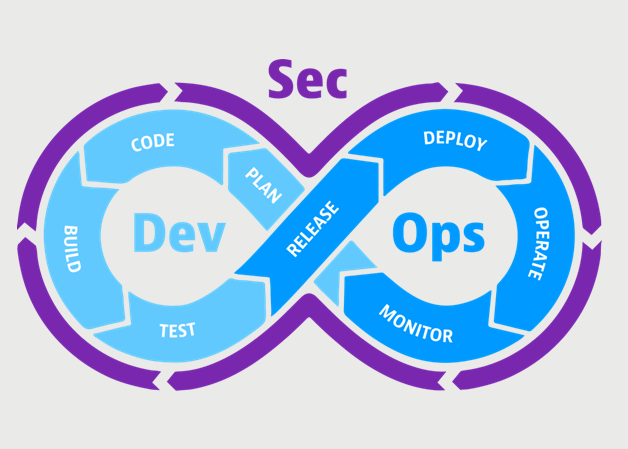
To achieve this you need answers to the following questions:
- What is our current level of DevSecOps / DevOps maturity?
- Are we really doing the steps we set out to do across various stages of SDLC? How do we identify the tasks falling through the cracks in the software supply chain?
- What is our current level of risk on security, compliance, and quality?
- How effectively are we using the 15-20 tools procured?
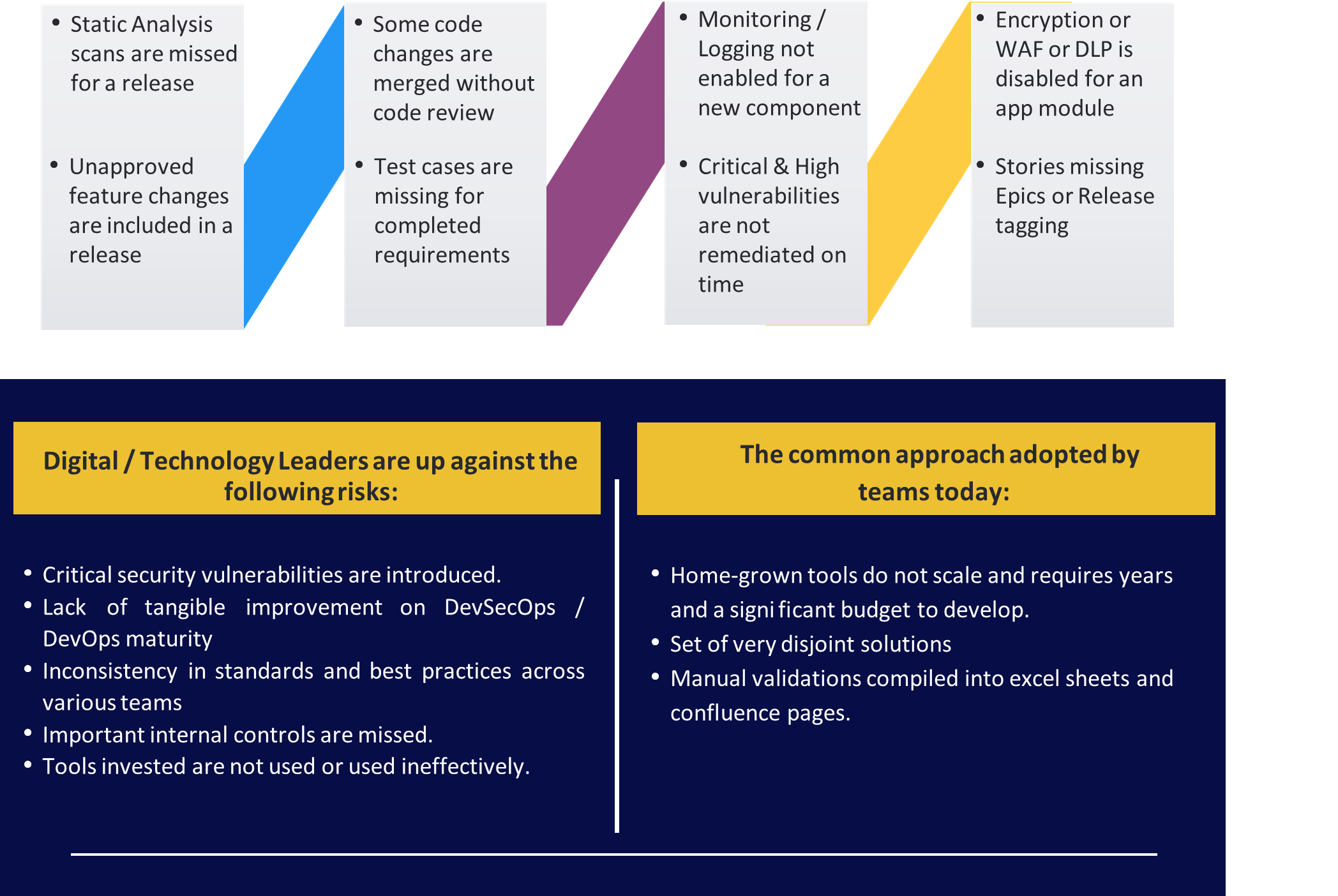
Some examples of common issues in the software supply chain are:
After more than six years of R&D, Kaiburr, a low code /no code digital insight platform, is solving this problem meaningfully and at scale for large enterprises and top innovators. With Kaiburr, digital leaders and software teams get a single pane on their overall stage gates across the entire SDLC at the organization, business unit, portfolio, program, and product (application) level like the following:
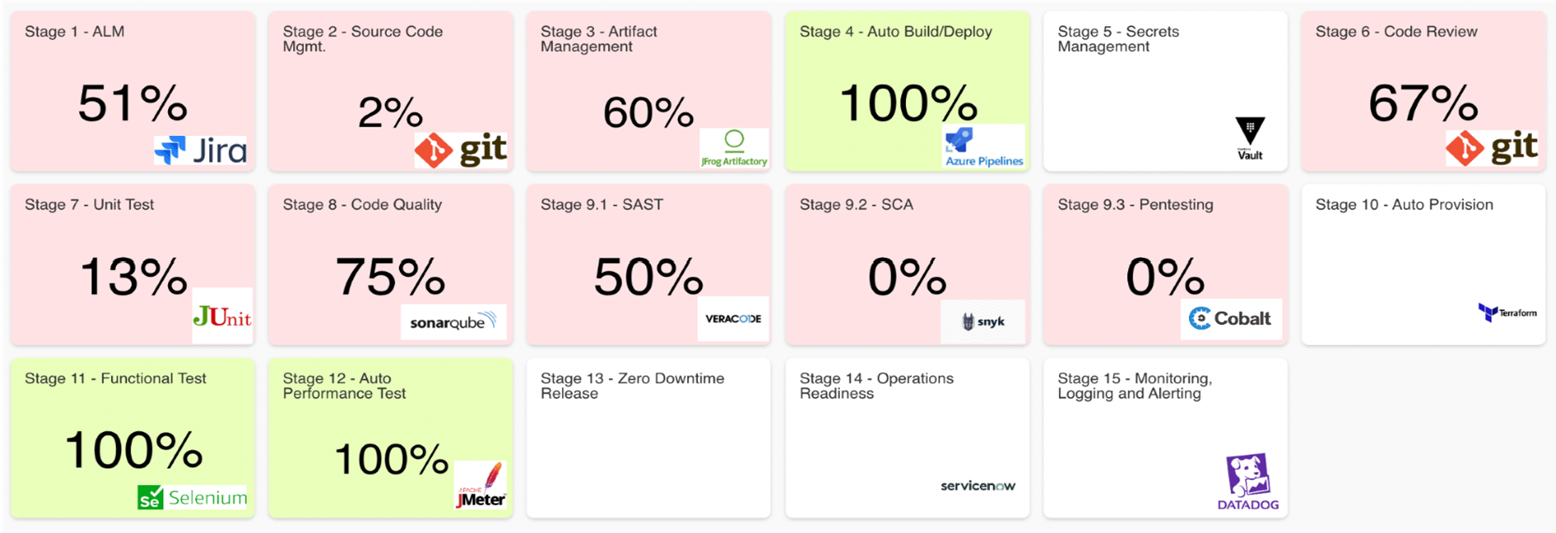
Users can drill down on any stage gate to know specific items to be acted upon
- [ALM] Stories missing acceptance criteria or story points in tools like JIRA, Azure Boards, Gitlab
- [Source Code Mgmt.] Commits and Pull Requests missing traceability to requirements in tools like Bitbucket, GitHub
- Acceptance criteria set the bounds for the story and the scope of the work the story entails.[Code Quality] Code quality issues on features in tools like SonarQube
- [SAST] Critical static analysis vulnerabilities on the latest code merged in tools like Veracode, Checkmarx
- [SCA] Vulnerable libraries downloaded for releases in tools like Snyk, Blackduck
- [CI-CD] Build / deployment issues in tools like Jenkins, Tekton, Bamboo, Azure DevOps
- [Unit Test] Unit test coverage gaps in tools like JUnit, NUnit
- [Functional Test] Test failures in tools like Selenium, Cucumber, Katalon
- [Auto Provision] Infrastructure automation issues with tools like Terraform, Pulumi
- [Monitoring] Application monitoring issues with tools like Datadog, Dynatrace
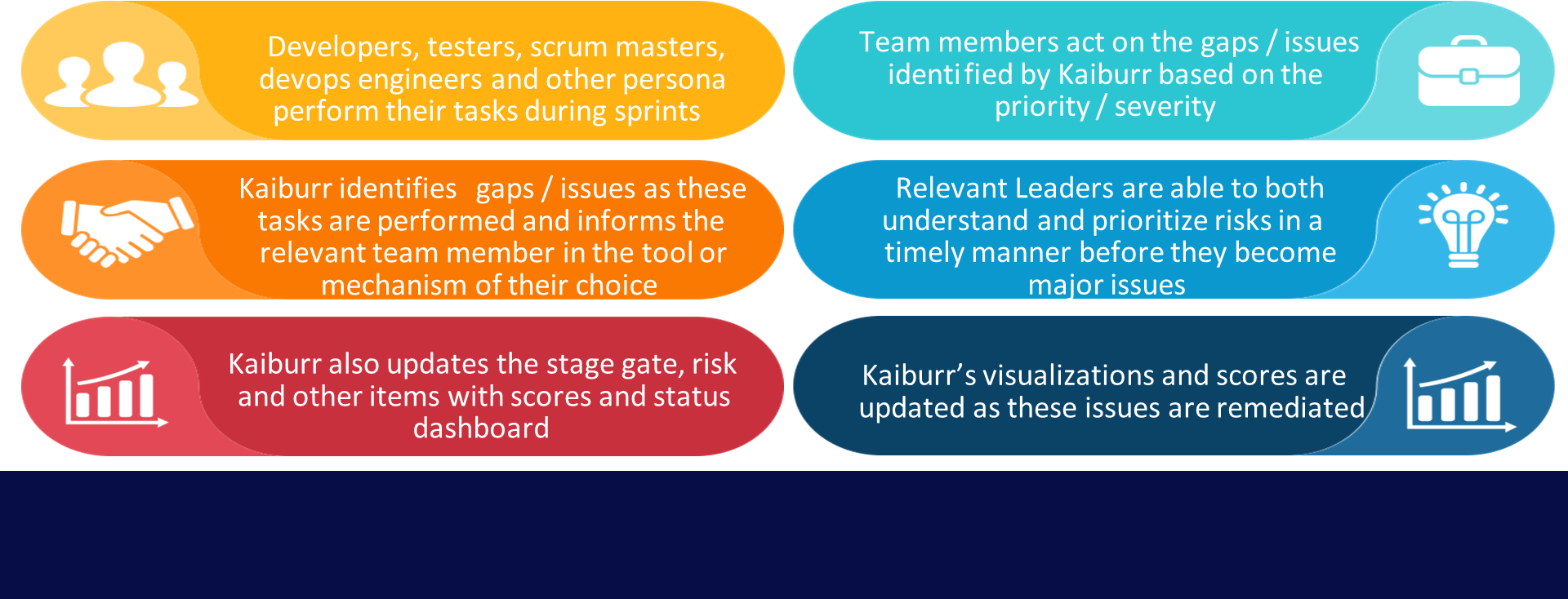
Kaiburr adopts the following process for teams to effectively remediate gaps in the software supply chain
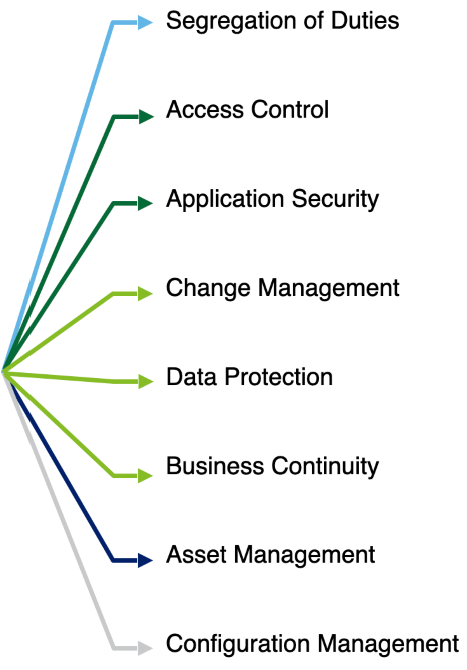
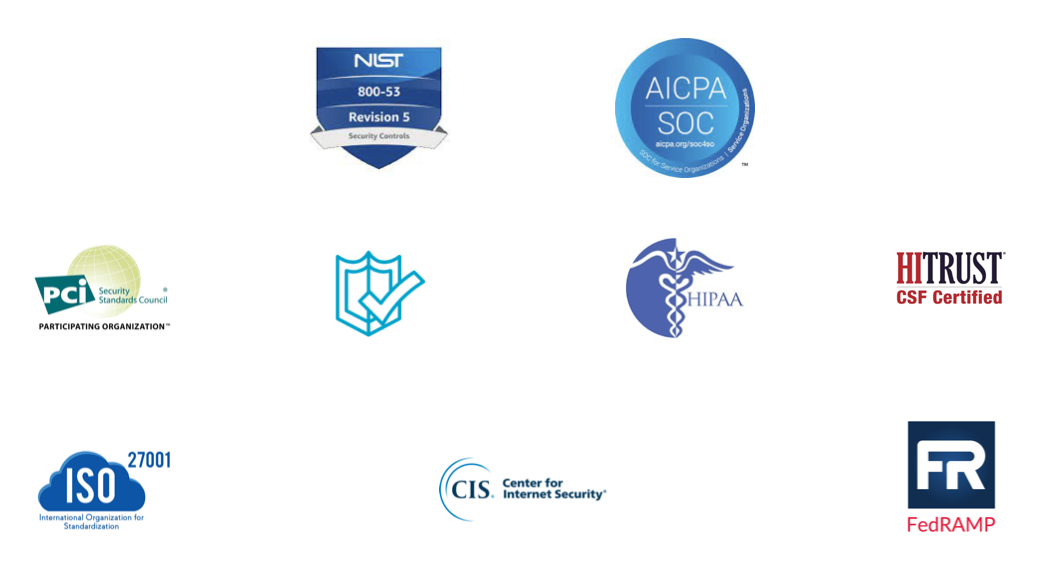
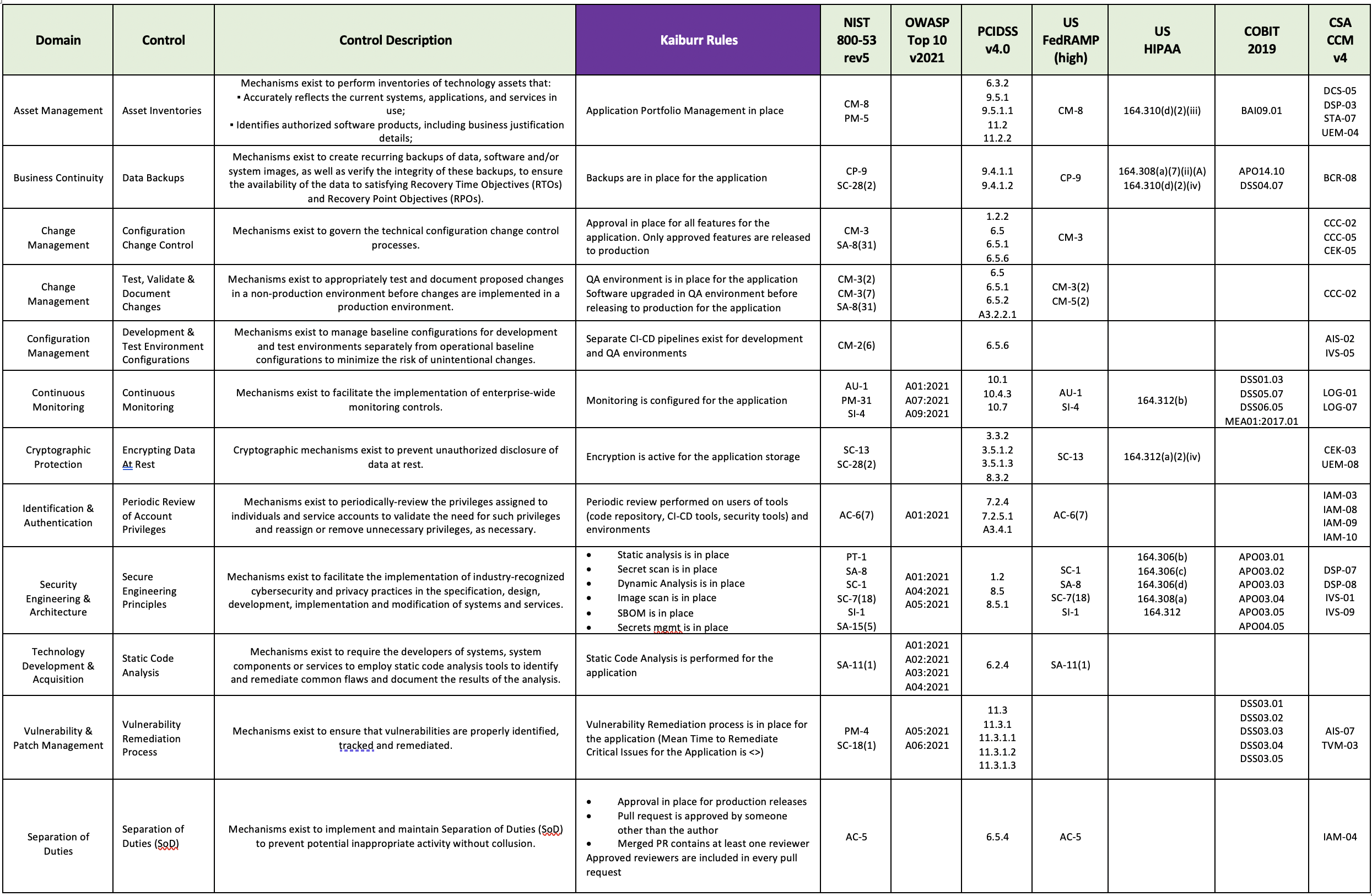
To add cherry on top, Kaiburr has mapped out these stage gate validations to industry standard
frameworks like NIST 800 53, CIS, ISO 27k, SOC2, GDPR, FedRAMP, HIPAA, HITRUST, PCI.
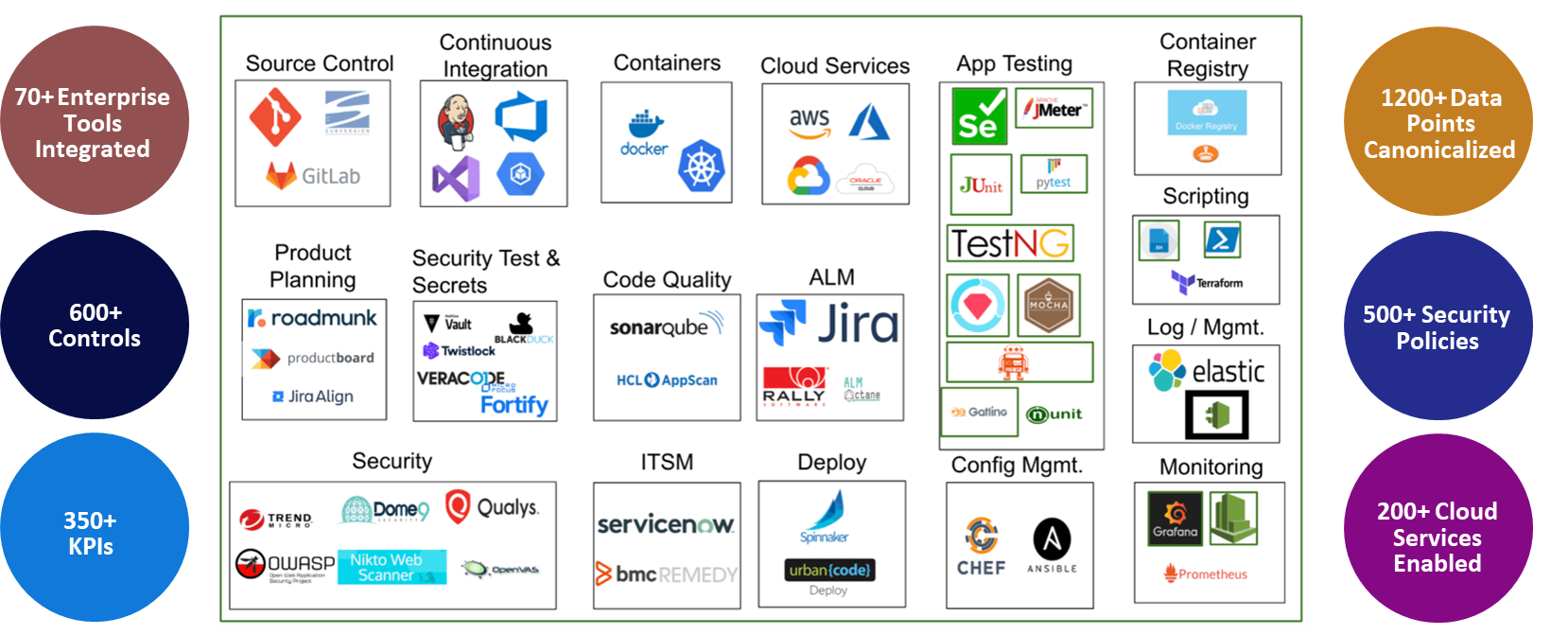
Kaiburr has deeply engineered this framework to solve this complex problem:
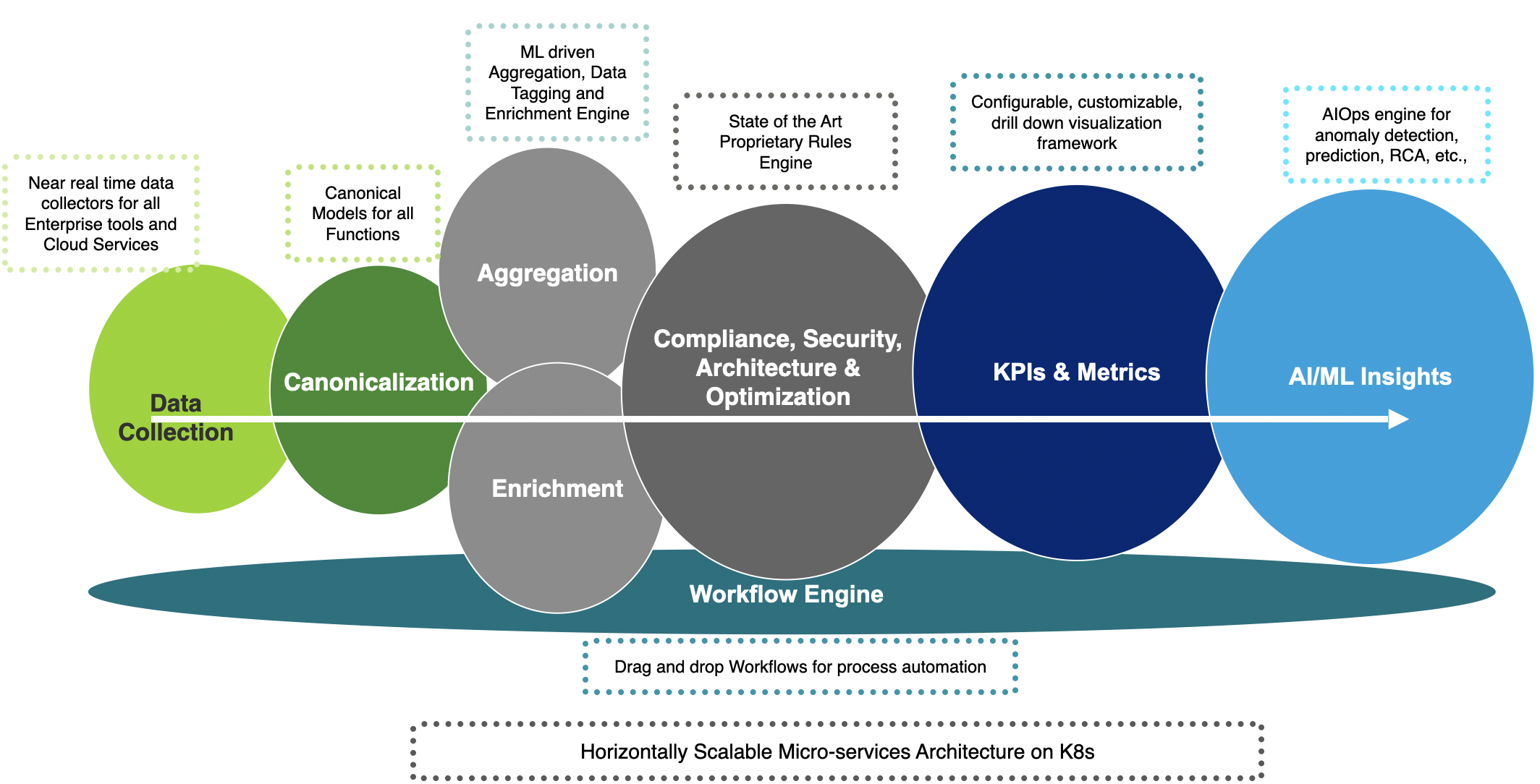
| Software Supply Chain Challenges | How Kaiburr addresses it? |
| We need to deal with multiple tools used for the same purpose. E.g., JIRA, Azure Board, Rally for ALM; Test Rail, Zephyr, HP ALM for testing | Kaiburr’s canonical models convert tool specific data to functional data. So, data from JIRA, Azure Board, Rally, Gitlab are stored in a common ALM canonical model. |
| We keep migrating from one tool to another. E.g., we recently moved from Jenkins to Tekton; from Checkmarx to Veracode. | Kaiburr’s canonical models abstract tool data so will have no impact from moving to various tools. Kaiburr essentially future proofs you. |
| Our processes differ between BUs, portfolios, and teams. Hence it is hard to get a standardized view across these teams. E.g., each of teams have different JIRA workflows, issue types, labels; they follow different branching strategies in github. | Kaiburr can understand different variations of processes implemented by teams in an organization and produce unified standardized output. |
| We do not consistently tag our usage in various tools. Hence it is hard to know which teams are using what tools and the level of usage. | Kaiburr’s discovery engine can correlate data points and produce a linked view of events across the lifecycle for a given team, project, or initiative |
With Kaiburr
- Digital leaders can gain near real time visibility on gaps in their SDLC so they can mitigate them early in the cycle
- Developers get spoon fed on priorities so their experience and productivity is improved
- Security, Compliance and Governance leaders can identify and remediate security and compliance issues in a timely manner Digital leaders can produce audit reports on internal controls in a fully automated manner
If you want to get started with your Stage Gate Compliance journey using Kaiburr reach us at marketing@sifycorp.com
Credits: Published by our strategic partner Kaiburr

In the Kitchen and on Cloud Nine
Prashant Kanwat breaks down what a cloud kitchen is and how it is revolutionizing the online market
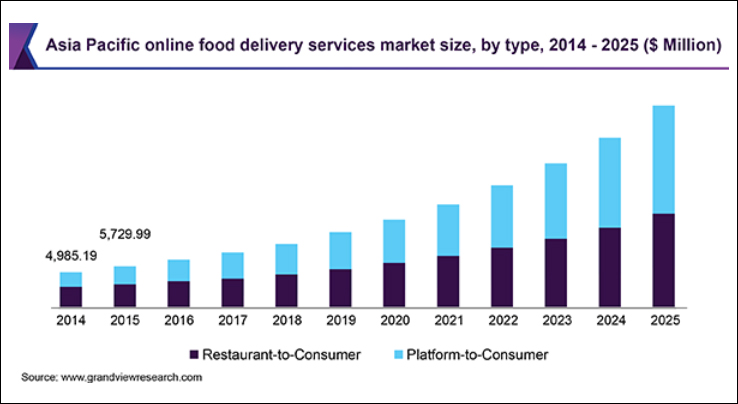
Gone are the days of restaurants and dining out being the only option to travel beyond the everyday home food and the kitchen. If you look around these days, seeing food aggregators such as Zomato and Swiggy running round the clock to deliver the freshest food right at the customer’s doorsteps, is a common sight.
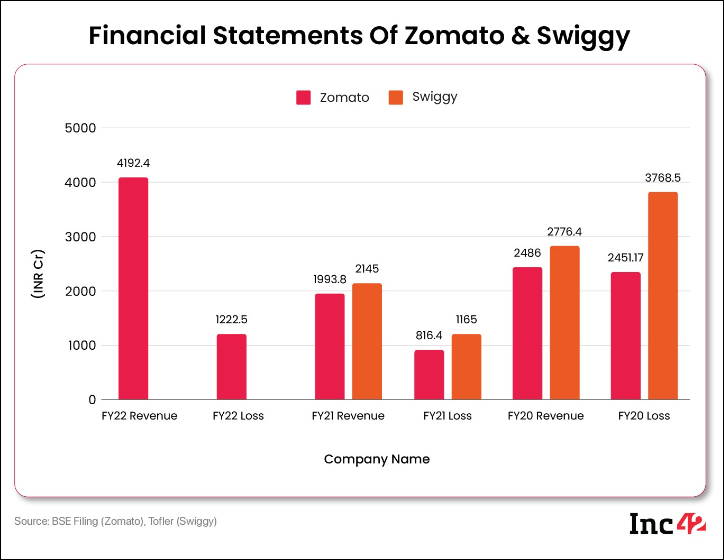
Not only has this driven a trend among consumers, but it has also left the food entrepreneurs, the small restaurant owners, and people in the food industry, gaping at the growing trend of the online ordering business. The number of users of the online food delivery system is expected to grow up to 2.9 million users by 2026.
A cloud kitchen or a ‘ghost kitchen’ is called so, due to the physical visibility it lacks, to the public. Unlike restaurants that offer dine-in, cloud kitchens are devoid of all the setup. In fact, cloud kitchens require minimum equipment, such as space and kitchen equipment, compared to the lavish decor that restaurants use.
Types of cloud kitchen model
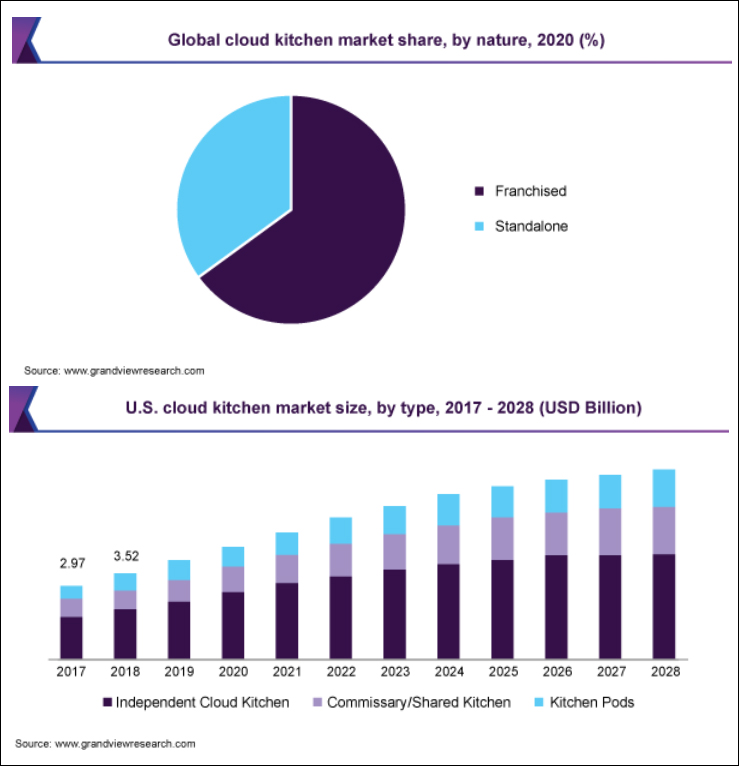
- Independent cloud kitchen: As the name suggests, behind the cloud kitchen is a single brand that is dependent on an online ordering system for their orders. With a small team of chefs, definitive operative hours and a brand name, independent cloud kitchens have a business model that is self-reliant and is hosted on different food aggregators to acquire customers.
- Hybrid cloud kitchen: Being a hybrid of takeaway and cloud kitchen, a hybrid cloud kitchen can be visualized as an extension of the regular cloud kitchen.
- Food aggregator owned cloud kitchen: With the aim of generating revenue and growing popularity of cloud kitchens, there are several food aggregators that lease out or purchase a convenient kitchen space to a growing food brand or one that is new in the market.
- Multi brand cloud kitchen: This cloud business model is a combination of varied brands under the same kitchen.
- Outsourced cloud kitchen: TAs the newest entry to the cloud kitchen game, this cloud kitchen business model is solely dependent on outsourcing of the food and the delivery services. A restaurant or any other business can outsource a part or the entirety of the menu such that the prepared product is received at the restaurant. The restaurant then packs the item and hands it over to the delivery personnel. The operational cost for the in-house team is reduced as everything from preparation to delivery is handled by the outsourced group.
How to set up a cloud kitchen in India
- Choosing the right rental space
- Licenses and trademark registration
Some of the licenses to procure before starting out with a cloud kitchen business model include,
- GST (Goods and Services Tax) (Goods and Services Tax) registration
- Trade license
- Fire and safety license
- FSSAI (Food Safety and Standards Authority of India) license
- Trademark registration
- Deciding the cuisine
- Kitchen space, equipment, and raw ingredients
- Online Order Management System
- Staff requirements
- Marketing
Costs associated with a cloud kitchen
The costs of setting up a cloud kitchen model in India vary depending on the city chosen, the demographics, the type of cuisine offered and so on. Here is a rough outline of the costs that might come up and a rough estimate of how much they amount to.
The resources one would have to be spending in a cloud kitchen business model include,
- Rent: This depends on the location and the land prices. A space of 600-800 sq feet is considered sufficient for a cloud kitchen model and may range from ₹25,000-50,000
- Licenses: The basic and necessary licenses cost around ₹15,000-20,000
- Staff: Having a basic set of staff can cost around ₹50,000-85,000
- Kitchen and equipment: This are solely dependent on requirement and can range from ₹5 lakh from scratch to around 8 lakhs. Basic kitchens can also be outsourced.
- Online ordering system: Many ordering systems allow customization based on features required, and these can range from ₹4,000/year to around ₹6000
- Customer acquisition and social media presence: Based on paid and organic marketing, this may cost around ₹40,000-80,000 per month
- Branding and packaging: As packaging is the crucial thing with cloud kitchen startups, branding across social media, food aggregators and effective packaging can cost around ₹50,000-70,000
Choosing the right Technology
With the right technology, you can streamline your operations and make your cloud kitchen run more smoothly. Here are a few things to keep in mind when choosing technology for your business:
- Order management system: An order management system (OMS) is a software that helps you track and manage orders. It can be used to track customer information, inventory levels, and delivery status. A good OMS will be user-friendly and scalable so that it can grow with your business.
- Kitchen display system: A kitchen display system (KDS) is a software that helps you manage food preparation and cooking. It can be used to track recipes, ingredient lists, and cook times. A good KDS will be user-friendly and customizable so that it can be adapted to your specific needs.
- Customer relationship management system: A customer relationship management (CRM) system is a software that helps you manage your relationships with customers. It can be used to track customer information, contact history, and order history. A good CRM will be user-friendly and scalable so that it can grow with your business.
- Accounting software: Accounting software is a software that helps you manage your finances. It can be used to track income, expenses, and invoices. A good accounting software will be user-friendly and customizable so that it can be adapted to your specific needs.
By investing in the right technology, you can make your cloud kitchen more efficient and organized. This will help you save time and money in the long run.
In India, the average annual cost of setting up a restaurant is almost 3x more than the set-up of a cloud kitchen, steering good entrepreneurs and food aggregators alike to jumpstart on this side of the competition.
Regardless, it is always recommended to not follow the herd and go with the requirements your business needs to succeed. Assessing market trends, costs needed, estimating the funding required, security, profitability eventually are topics to consider before getting started on a cloud kitchen model.